Evaluating Battery Chemistry and Degradation in Used Devices
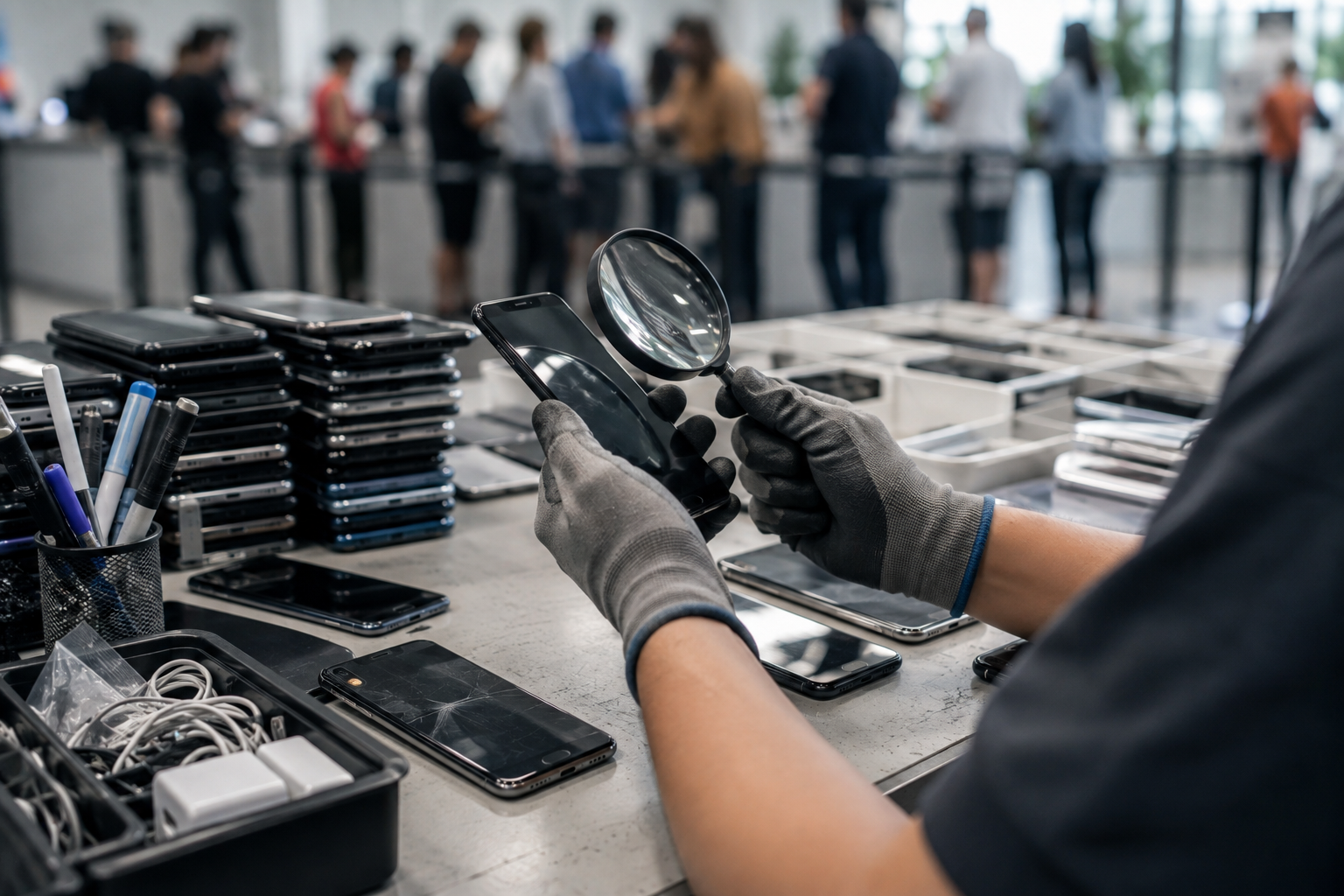
For any team processing used phones for resale, battery condition is one of the biggest factors in what a device is actually worth. A phone that looks great cosmetically can still lose value fast if its battery doesn't hold a charge the way a buyer expects. Getting this evaluation right matters just as much as grading the screen or the housing.
CellDe gives refurbishment and processing teams the tools to turn battery checks from a guess into a consistent, repeatable step. With accurate testing through Smart Diagnostics, facilities can measure battery condition the same way every time, instead of relying on a quick visual check or what the phone's settings menu happens to report.
Why Battery Health Matters So Much in Resale
Why battery condition drives resale price
The battery is the one part of a phone that wears down no matter how well the device was cared for. As it ages, it holds less charge, and that directly affects how the phone feels to use day to day. In resale, a device with a weak battery sells for less, even if everything else about it looks new.
Buyers expect a refurbished phone to last through a normal day without needing an immediate battery swap. If it doesn't, the resale value takes a hit and customer trust drops with it. Checking battery health as part of grading is what lets a facility price devices accurately and stand behind that price.
What's happening inside the battery as it ages
Most smartphones run on lithium-ion batteries, which store and release energy through a chemical process that happens every time the phone charges or discharges. Over many cycles, that process wears down the internal materials. This is just a normal part of a battery's life, not a defect.
As this wear builds up, the battery can't store as much energy or deliver power as efficiently as it used to. Understanding this helps a technician read diagnostic results correctly and set realistic expectations for how long a battery will last after resale.
The link between weak batteries and returns
When battery health isn't properly checked before a device is sold, returns tend to go up. Customers notice quickly if a phone doesn't last through the day or shuts off unexpectedly, and that's usually enough to send it back.
A high return rate is expensive, it means added shipping, reprocessing, and customer service time on devices that shouldn't have gone out the door in the first place. Consistent battery testing before resale is one of the simplest ways to bring that number down.
How Battery Testing Actually Works
Reading charge cycles instead of guessing device age
A charge cycle is completed each time a battery has been discharged and recharged the equivalent of a full cycle. Tracking this gives a reliable sense of how much use a battery has actually seen, which is often more telling than the phone's age alone.
Getting an exact cycle count means using diagnostic tools that can read directly from the phone's internal power system, rather than relying on rough estimates. A low cycle count is a good sign, but it should still be checked against the battery's actual current capacity for a full picture.
Checking real capacity, not just what the phone reports
The battery percentage shown in a phone's own settings isn't always a reliable number, it's often a rounded estimate that can hide early signs of wear. For a resale operation, that's not accurate enough to base a valuation on.
Getting a true reading means comparing the battery's actual current capacity against its original designed capacity, using diagnostic software built for this purpose. That comparison is what gives a facility a real, defensible health percentage for each device.
Watching for signs of heat-related slowdown
As a battery ages, it can generate more heat during heavier tasks like gaming or video. To protect the phone, the operating system will sometimes slow the processor down on its own to manage that heat. This kind of thermal throttling is worth flagging during testing, since it often points to battery wear underneath.
Protecting Inventory Value Through Consistent Testing
Spotting non-original batteries before they become a problem
Batteries that aren't original to the device can create real issues down the line. They often don't report accurate data and may not meet the same safety standards as original components, which is a risk a facility doesn't want passed on to a buyer.
Diagnostic tools that check a battery's origin during intake help catch this early, before the device moves further into processing. Devices flagged this way can be set aside for a closer look, protecting both safety and brand reputation.
Setting one clear pass/fail standard for every device
Processing devices at volume only works if every unit is judged against the same standard. Otherwise, grading turns into a judgment call that varies by technician, which creates inconsistency buyers will eventually notice.
Using battery data to decide repair or recycle
Battery test results also help guide a practical financial decision: is it worth replacing this battery, or does the device make more sense to part out or recycle? That decision should be based on real numbers, not a rough guess.
Comparing the cost of a battery swap against the expected resale gain helps a facility direct resource where they'll pay off, rather than sinking repair costs into a device that won't recover the investment.
Here's a simple look at how testing outcomes typically guide next steps:
| Battery Condition | Typical Facility Action |
| Strong capacity, low wear | Strong capacity, low wear |
| Strong capacity, low wear | Approved for standard grade resale |
| Below acceptable range | Routed for repair evaluation |
| Non-original or unverified | Flagged for closer inspection |
Making Battery Testing a Standard Step, Not an Afterthought
Checking battery health properly isn't optional for any operation reselling used devices, it's one of the clearest drivers of both resale value and customer satisfaction. Relying on a quick look or the phone's own reported percentage doesn't give a facility the accuracy it needs to grade with confidence.
Using proper diagnostic tools to check charge cycles, verify battery origin, and catch early wear helps cut down on returns and protect margin across the board. For teams also handling data at this stage, using a certified process like Smart Wipe, which holds ADISA certification, keeps data handling just as consistent as battery testing.
Take a look at how your current battery testing process compares to a fully standardized one. Contact us to see how CellDe helps refurbishment and processing teams test battery health consistently, at scale.
Frequently Asked Questions
Accurate testing uses diagnostic software that reads directly from the phone's internal battery system, rather than relying on the estimate shown in the phone's own settings. This gives a true reading of capacity, cycle count, and any irregularities.
This varies by buyer's requirements, but most operations set a minimum health threshold for standard resale grades. Devices below that threshold are typically routed for battery replacement before they're sold.
Yes. Diagnostic tools can communicate directly with a phone's power management system to retrieve an exact cycle count, giving a clearer picture of usage history than age alone.
Yes. Diagnostic tools can communicate directly with a phone's power management system to retrieve an exact cycle count, giving a clearer picture of usage history than age alone.
